Why the Dialogue Mattered
Uganda continues to invest heavily in expanding access to education. However, access alone does not guarantee meaningful learning. The 2024 National Learning Assessment aimed to answer crucial questions about whether children are actually acquiring foundational skills such as reading fluently and performing basic mathematics.
Broadly, the assessment sought to:
Provide an updated picture of the learning status among children aged 4 to 16, including those not attending school.
Track progress in reading (in both English and local languages) and numeracy across primary grades 3 to 7.
Explore how household, school, and community characteristics influence learning.
Examine school resources, teacher practices, and overall learning environments.
The Mukono policy dialogue was therefore designed not only to share findings but also to spark community engagement, accountability, and collaborative solution-seeking.
In October 2025, Uwezo Uganda—working closely with Child 2 Youth Foundation—organized a thought-provoking policy dialogue in Mukono District to reflect on the state of learning among children aged 4 to 16. The event was grounded in fresh evidence from the 2024 National Learning Assessment, a nationwide exercise conducted between July and August 2024 to understand how children are performing in basic English literacy and numeracy.
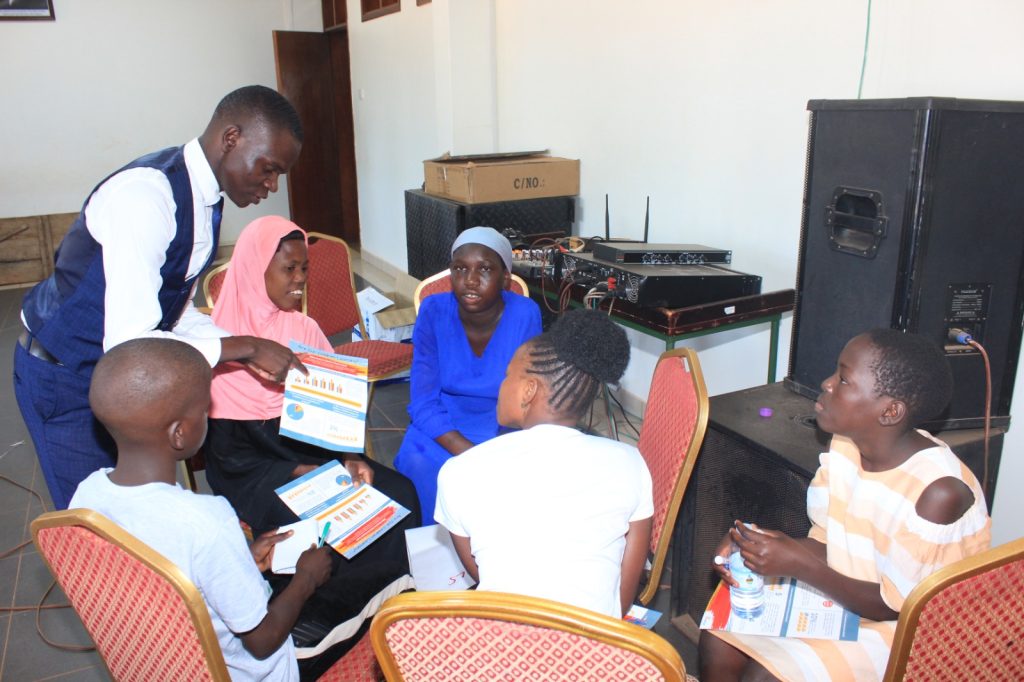
The Mukono District Report Card, one of the centerpiece documents discussed, presented timely insights drawn from assessments conducted with 671 children across 285 households, alongside visits to 15 primary schools. The dialogue brought together a diverse mix of stakeholders—parents, teachers, young learners, district officials, journalists, and school leaders—to examine the findings and chart actionable paths for improving learning outcomes.
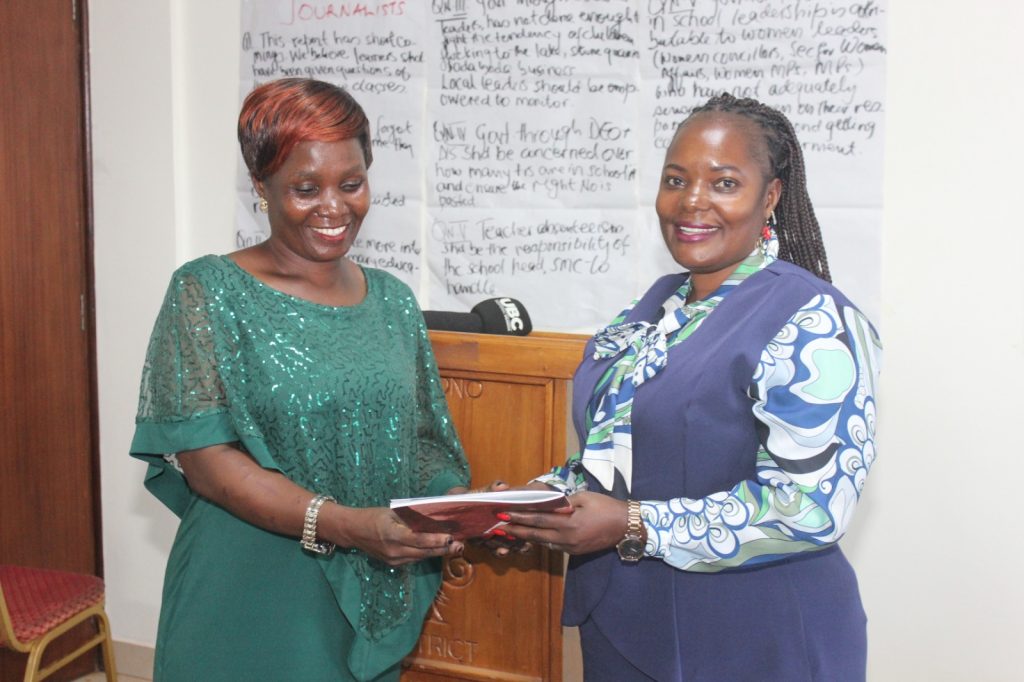
The event recorded vibrant participation from various parishes and Enumeration Areas (EAs), including Mugomba, Lweza, Bajjo, and Takajjunge. Parents came with their children, and local media houses—UBC TV, New Vision, and Kyaggwe TV—showed strong interest, amplifying the significance of the dialogue.
Headteachers from several schools—including Lweza Primary School, Bajjo RC Primary School, and Mugomba UMEA—attended alongside Mukono District officials, demonstrating the commitment of local education leaders to engage with data and community feedback.
During assessments, each child was examined using standardized items modeled after previous years’ tests to ensure consistency and comparability. This provided a reliable basis upon which to judge progress or decline in foundational competencies.
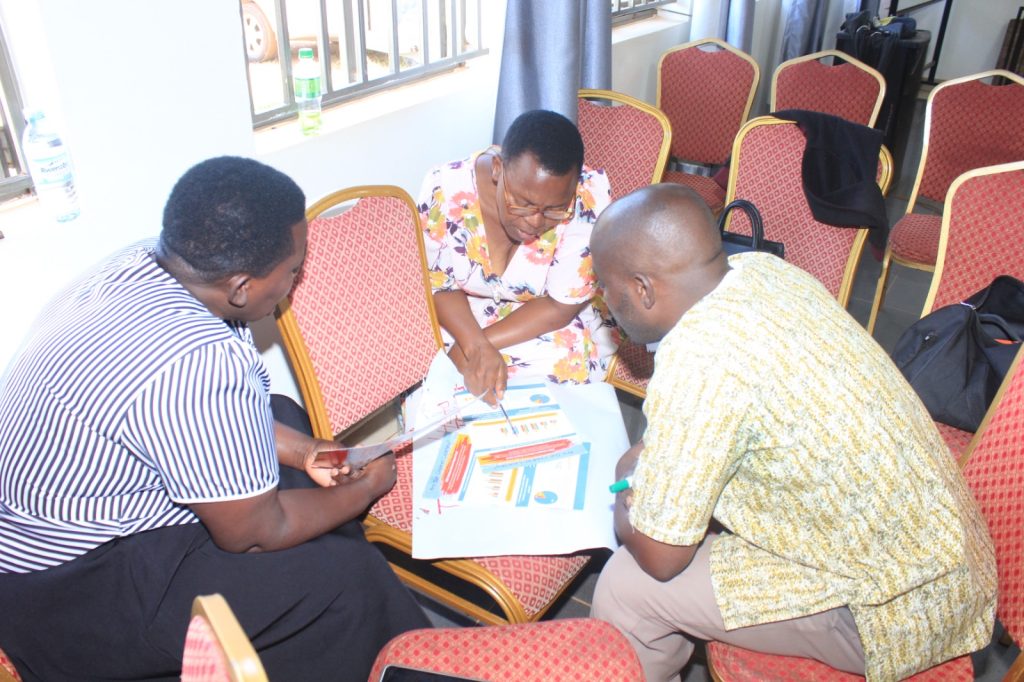
Using the district report card, facilitators guided participants through six key findings. Among the most striking:
47% of children demonstrated Primary 2–level proficiency in English reading.
This means more than half of learners are struggling with foundational literacy.74% showed competence in basic numeracy, a relatively stronger performance, though still leaving significant room for improvement.
Only 42% were proficient in both literacy and numeracy, underscoring the need for balanced skill development.
Beyond learning outcomes, the report shed light on school-level conditions:
The average pupil–teacher ratio in assessed Mukono schools was 27:1, a number that is fairly reasonable but uneven across locations.
Gender imbalance remained high within School Management Committees (SMCs), raising concerns about representation and inclusivity.
Teacher absenteeism was recorded at 10% on the survey day, a figure with direct implications on children’s learning and school effectiveness.
These indicators shaped a lively discussion around the root causes and potential remedies.
Stakeholders engaged in group discussions—parents, children, headteachers, and district officials—to reflect on the findings and propose actions. Their contributions underscored a shared understanding that learning outcomes can only improve through collective responsibility.
Parents’ Views
Parents emphasized:
The need to attend school meetings regularly.
The construction of more nearby schools to reduce long walking distances.
Reduced taxes on essential commodities to enable families save more for school needs.
Children’s Contributions
Children advocated for:
Recruitment of more teachers.
Provision of mid-day meals to support attendance and concentration.
Positions from Journalists
Media representatives recommended:
Stricter oversight by school inspectors.
Proper tracking and posting of teachers to prevent staffing gaps.
Commitments from the District Education Office (DEO)
The DEO assured participants of:
Enhanced supervision and monitoring of teachers.
Sustained efforts to address absenteeism and improve learning environments.
The Mukono policy dialogue reaffirmed an essential truth: children learn best when families, schools, communities, and government work hand-in-hand. While the 2024 assessment brought to light persistent challenges—low literacy levels, teacher absenteeism, and imbalanced school governance structures—it also ignited important conversations.
The commitments from stakeholders provide hope for progress. Strengthening supervision, improving parental engagement, recruiting more teachers, and ensuring school feeding initiatives can all contribute to a more supportive learning environment.
As Uwezo Uganda and Child 2 Youth Foundation continue championing evidence-based advocacy, the 2024 findings offer a roadmap for targeted interventions. With sustained community dialogue, consistent monitoring, and deliberate action, Mukono—and Uganda at large—can make meaningful strides toward better foundational learning for all children.